Blog / Strategy
Closing Line Value (CLV) Explained — And Why It Matters for Prediction Markets
Closing line value is the gold standard for measuring betting edge. Here's what it means, how to track it, and why the same principle applies to Polymarket traders.
If you've spent time in sharp sports betting communities, you've heard the phrase: *beat the closing line*. Closing line value, or CLV, is the most reliable measure of whether a bettor has genuine edge — or is just running hot.
The same concept applies directly to Polymarket. And understanding it changes how you evaluate traders worth copying.
What Is Closing Line Value?
The closing line is the final price a market offers before an event resolves. It represents the most informed, most liquid version of market consensus — because it incorporates the most information.
CLV measures how your entry price compares to that closing price.
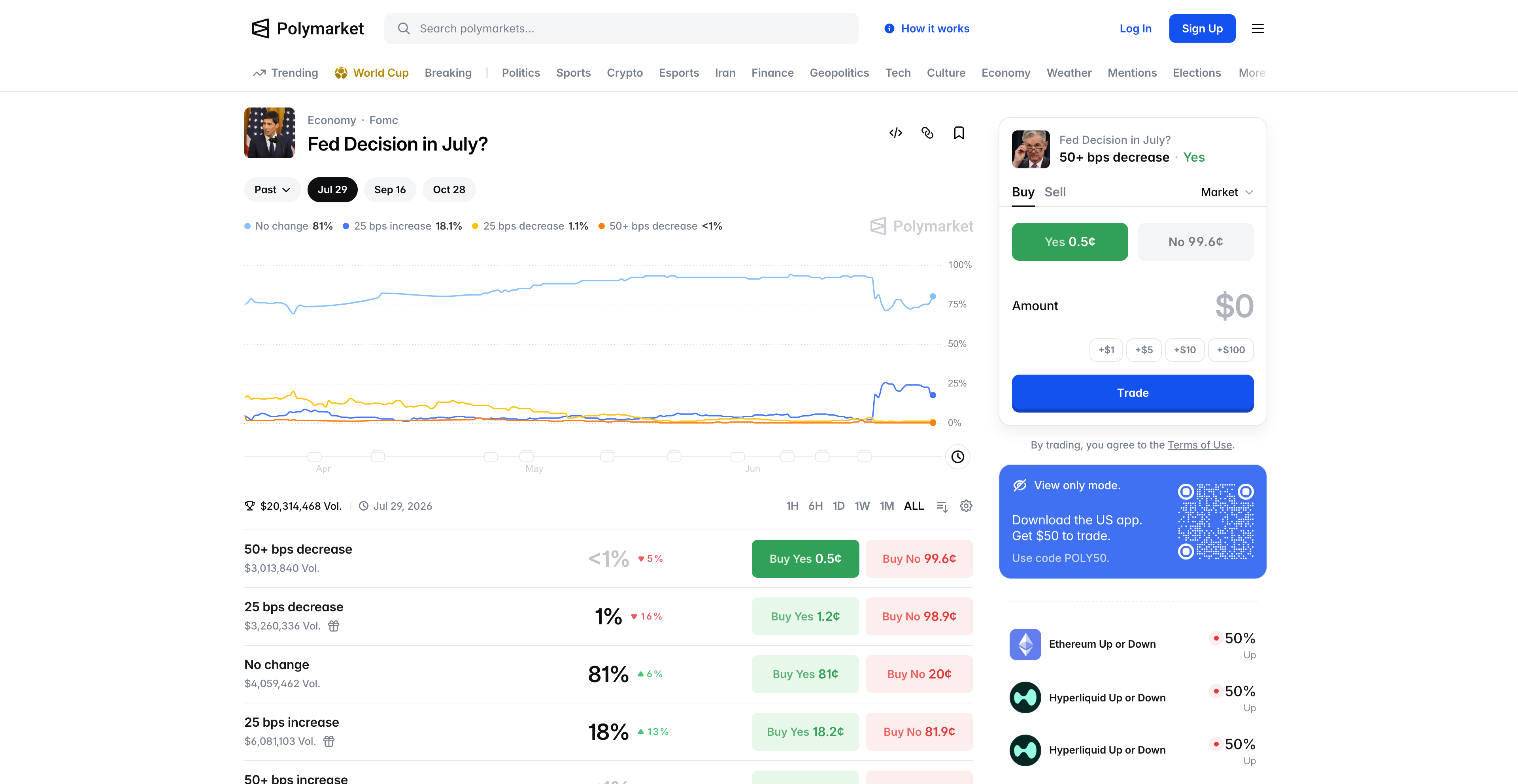
Example: - You buy YES on "Democrats win Senate 2026" at $0.42 - The market closes at $0.54 before resolution - Your CLV is +12 cents — you got in 12 cents better than the final market price
Positive CLV means you were ahead of the market. Negative CLV means the market moved against your entry — you were on the wrong side of information flow.
Why CLV Predicts Long-Term Results
In sports betting, the closing line is set by sharp books who employ professional analysts. If you consistently beat their closing line, you're outperforming the sharpest price setters in the world — that's a real edge.
In prediction markets, the closing line emerges from collective trading. It's not set by a single market maker — it's the aggregated view of every participant. Beating it consistently means your information or model is reliably better than the crowd's.
A bettor who beats the close by +3% on average across 500 bets will be profitable long-term, even if their short-term record looks mixed. A bettor who loses the close by -4% on average will eventually go broke, even if they've had lucky winning streaks.
CLV is a process metric. Win rate is an outcome metric. Process predicts the future; outcomes reflect the past.
How CLV Applies to Polymarket
On Polymarket, the "closing line" for each market is the price just before resolution. Traders who consistently enter positions that are later validated by the market moving in their direction are demonstrating CLV.
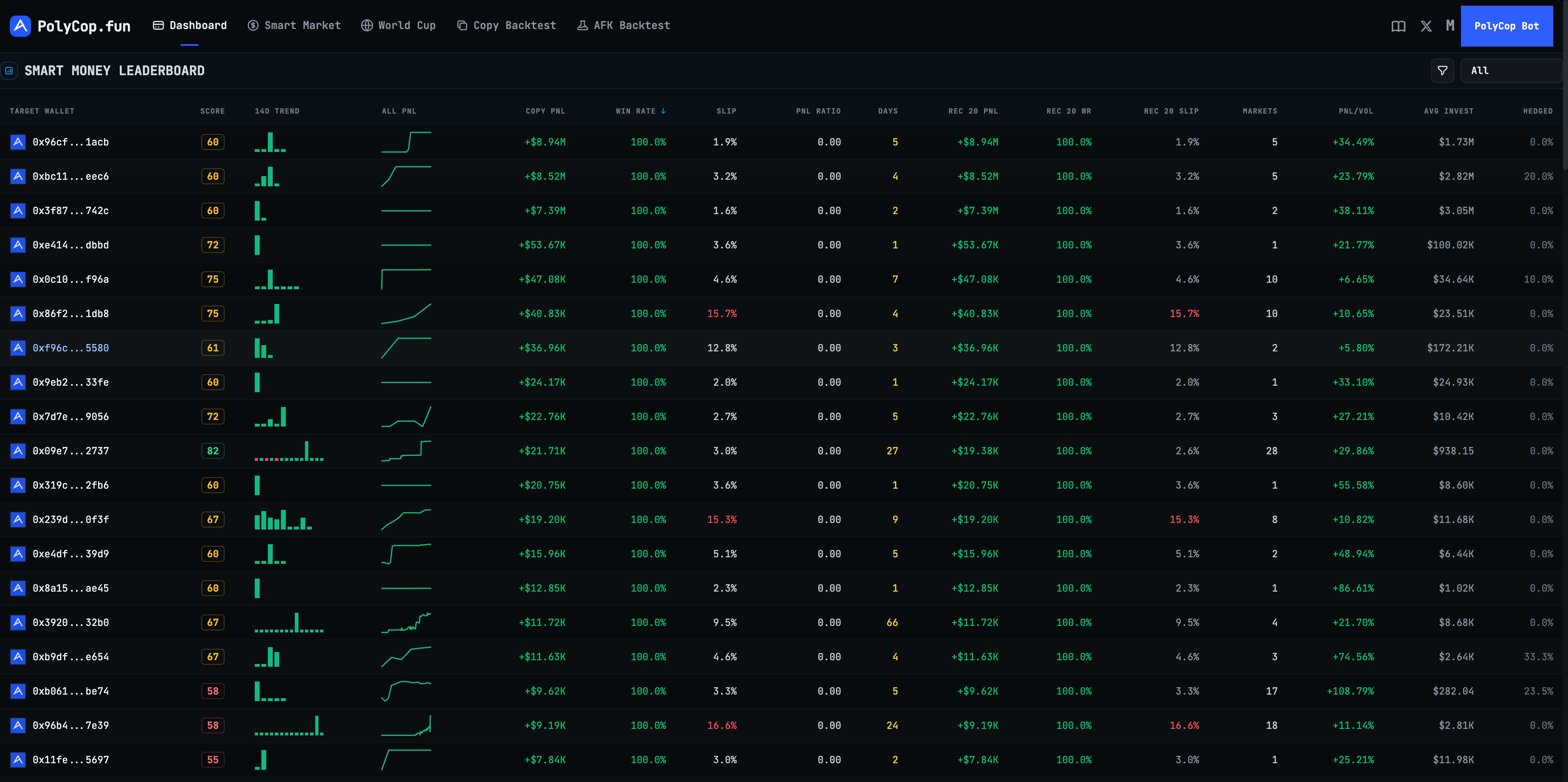
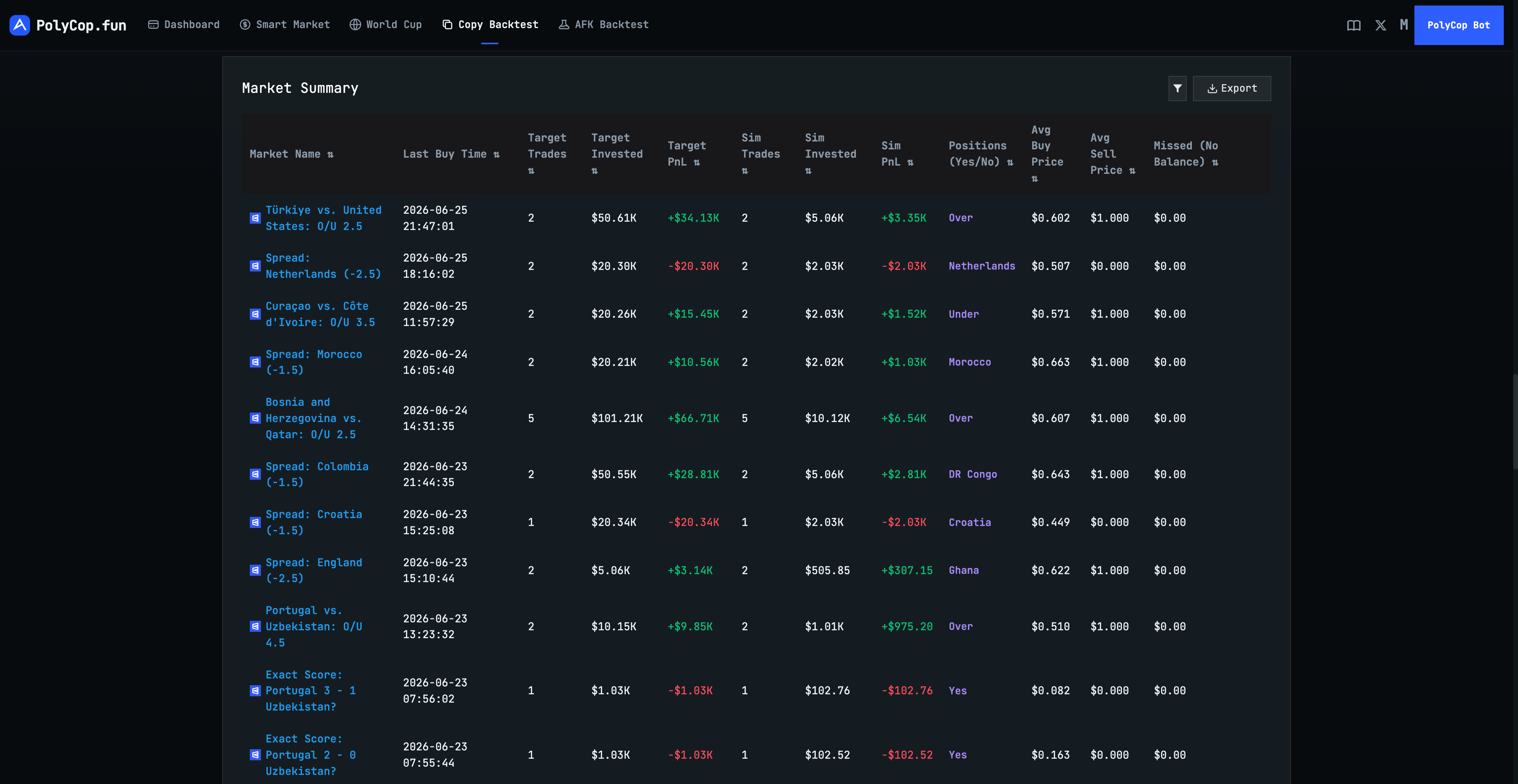
This is exactly what the wallet analytics behind PolyCop measure. A wallet with 59% win rate across 200+ trades isn't just lucky — the market has repeatedly moved in the direction they predicted. That's positive CLV expressed as win rate at scale.
The Practical Implication for Copy Trading
When you're evaluating which Polymarket wallet to copy, look beyond raw PNL. Ask:
1. How many trades is the win rate based on? Fewer than 50 trades is too small a sample — you may be copying a lucky streak, not an edge 2. Is the win rate consistent across market categories? A wallet that only wins on one type of market (e.g., always longs on sports) may have category-specific bias, not true CLV 3. How has performance held up recently? A wallet with strong historical CLV but declining recent win rate may have lost its edge as markets got more competitive
The PolyCop leaderboard shows win rate, trade count, and 30-day PNL together — giving you the data to evaluate CLV signals before you copy.
From Sharp Betting to Prediction Markets
If you come from a sports betting background — particularly if you track CLV, closing line, or EV — prediction markets will feel familiar. The math is the same. The difference is that Polymarket covers a broader range of events (politics, economics, global news) and the liquidity profile is different from traditional books.
The wallets worth copying on Polymarket are the ones doing what sharp sports bettors do: finding prices that are wrong, entering before the market corrects, and repeating that process at scale.
Start with the PolyCop leaderboard to find wallets with the strongest process metrics, then copy them automatically through PolyCop Bot.
New to polymarket.com? Setup takes under 10 minutes.