Blog / Strategy
How Does Polymarket Make Money? The Business Model Explained
Polymarket earns through trading fees, not by betting against users. Here's exactly how the revenue model works — and what it means for traders.
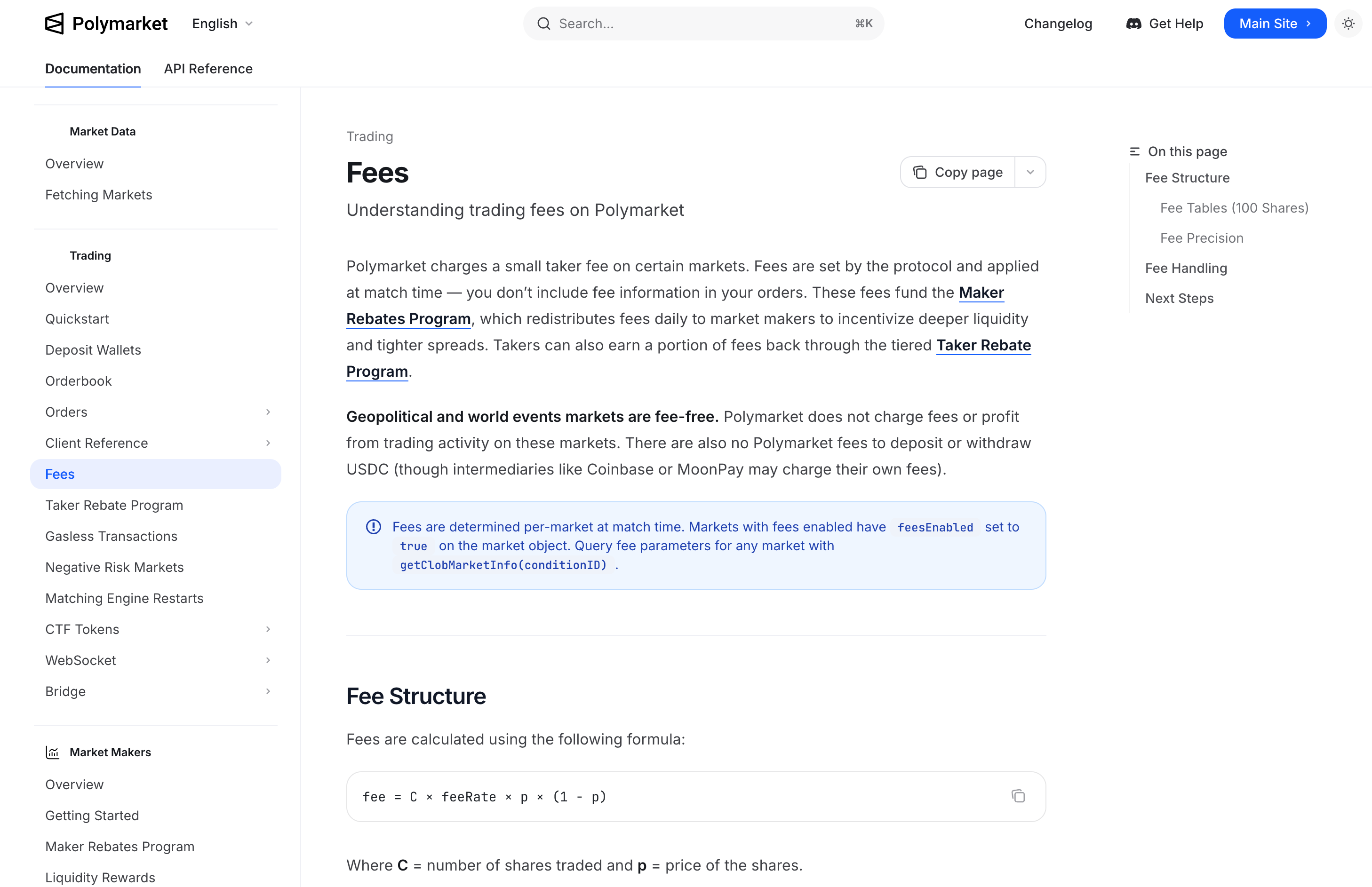
Polymarket makes money by charging a small fee on every trade — typically around 2% of the transaction value. That's it. There's no house edge, no spread manipulation, and no positions taken against traders.
This is fundamentally different from traditional betting sites, and it matters for how you should think about trading on the platform.
The Fee Structure
Every time you buy or sell shares on Polymarket, a small fee is deducted. The fee goes to Polymarket, not to the other side of your trade.
The exact fee varies slightly by market and trade size, but 2% is the standard figure. On a $100 trade, you'd pay roughly $2 in fees.
There are no deposit or withdrawal fees charged by Polymarket itself, though Polygon network gas fees apply (typically fractions of a cent).
Why This Model Matters for Traders
Because Polymarket earns from volume rather than outcomes, the platform has no incentive to manipulate markets or work against you. A bookmaker wants you to lose — Polymarket just wants you to trade.
This creates a genuinely fairer environment:
- No odds adjustments to favor the house
- No account restrictions for winning consistently
- No hidden fees eating into profits
The platform profits when markets are liquid and active — which only happens when traders trust the environment.
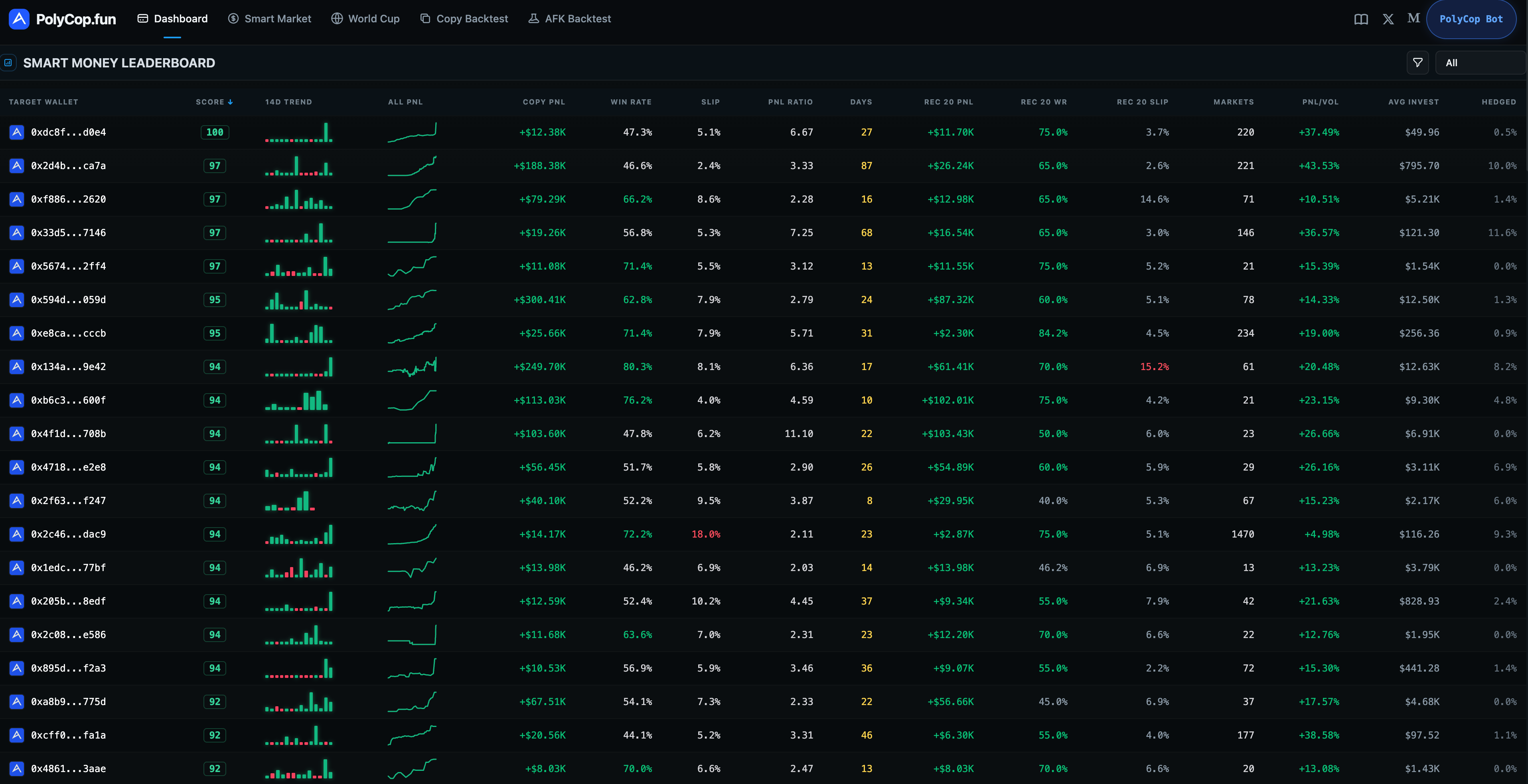
Top Polymarket wallets average 59.44% win rate. PolyCop copies them automatically — start here
How Does Polymarket Fund Operations?
Beyond trading fees, Polymarket has raised significant venture capital — including from Founders Fund (Peter Thiel), Sequoia Capital, and others. This funding supports platform development, market creation, and liquidity bootstrapping for new markets.
Polymarket has also run liquidity incentive programs to attract market makers — wallets that provide both Yes and No liquidity to keep spreads tight.
What About Market Resolution Costs?
Market resolution uses UMA Protocol, a decentralized oracle. UMA token holders verify outcomes and are compensated through UMA's own token economics — this cost doesn't come directly from Polymarket's fee revenue.
Is Polymarket Profitable?
Polymarket processes over $1 billion in monthly trading volume. At a 2% fee rate, that's potentially $20M+ in monthly revenue. The company has not publicly confirmed profitability, but the unit economics at this volume are clearly viable.
What This Means If You're a Trader
The fee is your real cost of trading on Polymarket. To be profitable, your edge needs to exceed 2% per trade on average.
The most consistent performers on Polymarket aren't making random bets — they're finding markets where the crowd is meaningfully wrong, and their edge far exceeds the fee drag.
PolyCop tracks 593 wallets that have demonstrated exactly this — verified win rates above 55% with real on-chain PNL.
Start Copying the Profitable Wallets
Instead of paying fees to lose, pay fees to copy wallets that win. PolyCop mirrors top Polymarket traders automatically — every trade, 0-second execution, no coding required.