Blog / Strategy
Kalshi Arbitrage Betting: How to Find and Trade Price Gaps in Prediction Markets
Kalshi and Polymarket often price the same event differently. Here's how to spot those gaps and trade them profitably.
Kalshi and Polymarket frequently price identical events at different odds. When that happens, you can buy the "Yes" side on one platform and the "No" side on the other — locking in a near-guaranteed profit regardless of the outcome. That's prediction market arbitrage, and it's more accessible than most traders realize.
This guide walks through how it works, where the gaps appear most often, and how to manage the real risks involved.
---
What Is Prediction Market Arbitrage?
Arbitrage in prediction markets means exploiting a price discrepancy on the same binary event across two platforms.
Example: - Kalshi prices "Democrats win House 2026" at 42¢ (implied 42% probability) - Polymarket prices the same event at 38¢
You buy Yes on Polymarket at 38¢ and No on Kalshi at 58¢ (100 - 42). Your combined cost is 96¢ for a guaranteed $1 payout — a 4% return regardless of outcome.
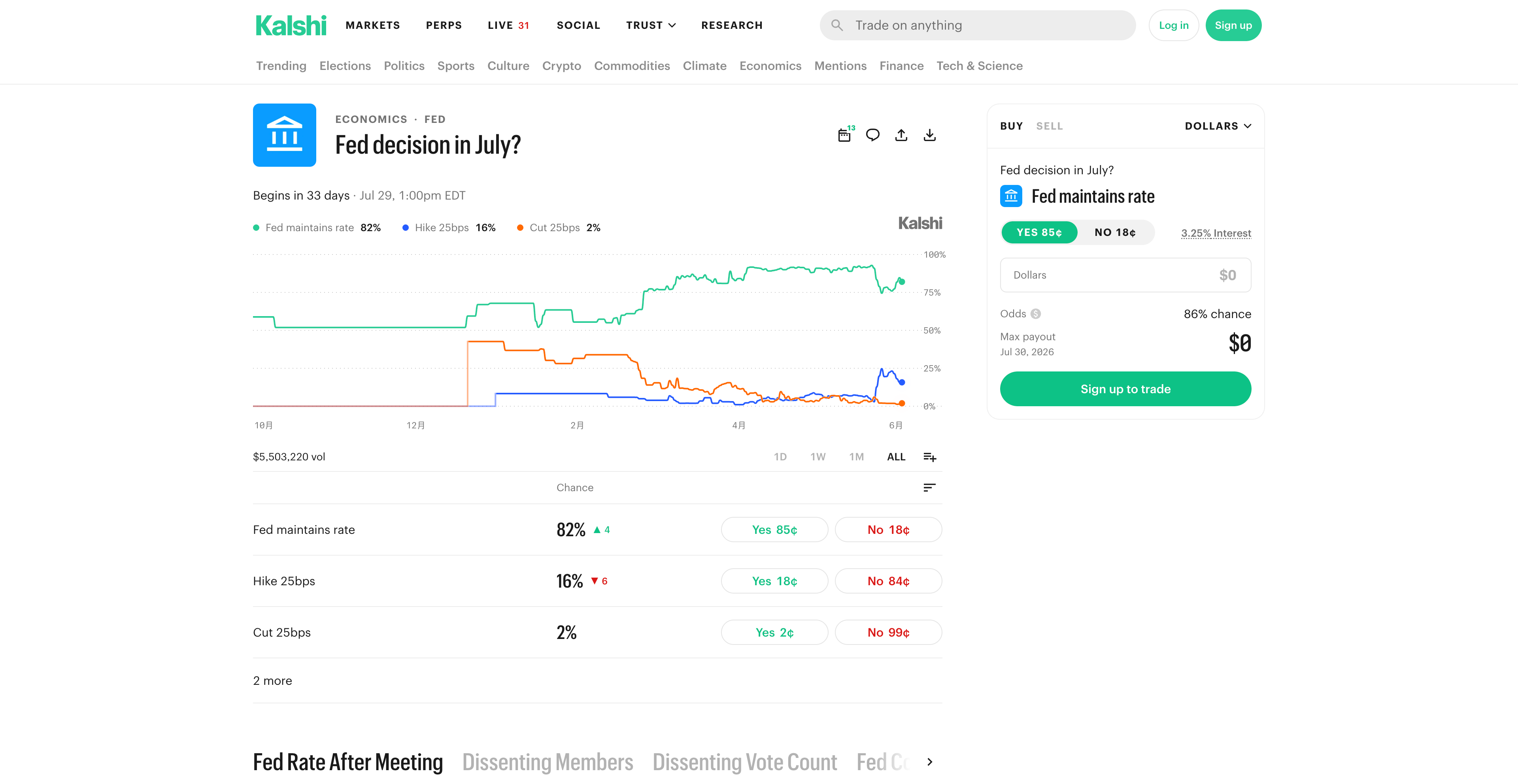
The math only works if: 1. The gap covers your transaction costs 2. Both platforms actually resolve the contract the same way 3. You can move funds fast enough before the gap closes
---
Where Arbitrage Gaps Appear Most Often
Not all markets are equally mispriced. The best opportunities cluster around:
1. Breaking political news When a new poll drops or a candidate makes a major announcement, one platform updates faster than the other. The window is usually 15–60 minutes.
2. Low-liquidity markets Smaller events (state-level races, niche sports outcomes) have fewer active traders correcting prices. Gaps persist longer.
3. Resolution ambiguity If Kalshi and Polymarket define the winning condition slightly differently, prices diverge structurally — not just temporarily. Read both contracts carefully before trading.
4. Cross-asset events Events tied to both crypto prices and political outcomes (e.g., "Bitcoin above $100K by year-end") sometimes trade on very different assumptions across platforms.
---
Step-by-Step: How to Execute a Prediction Market Arb
Step 1: Monitor the same event on both platforms simultaneously
Open polymarket.com and kalshi.com side by side. Focus on high-volume markets where both platforms offer the same contract.
Step 2: Calculate the combined cost
Add the Yes price on the cheaper platform + the No price on the more expensive platform. If the total is below 100¢, you have an arb opportunity.
`Arb profit = $1.00 - (Yes price + No price) - fees`
Step 3: Account for fees
Polymarket charges ~2% per trade. Kalshi charges ~7 cents per contract depending on market. A gap of less than 3–4% often disappears after fees.
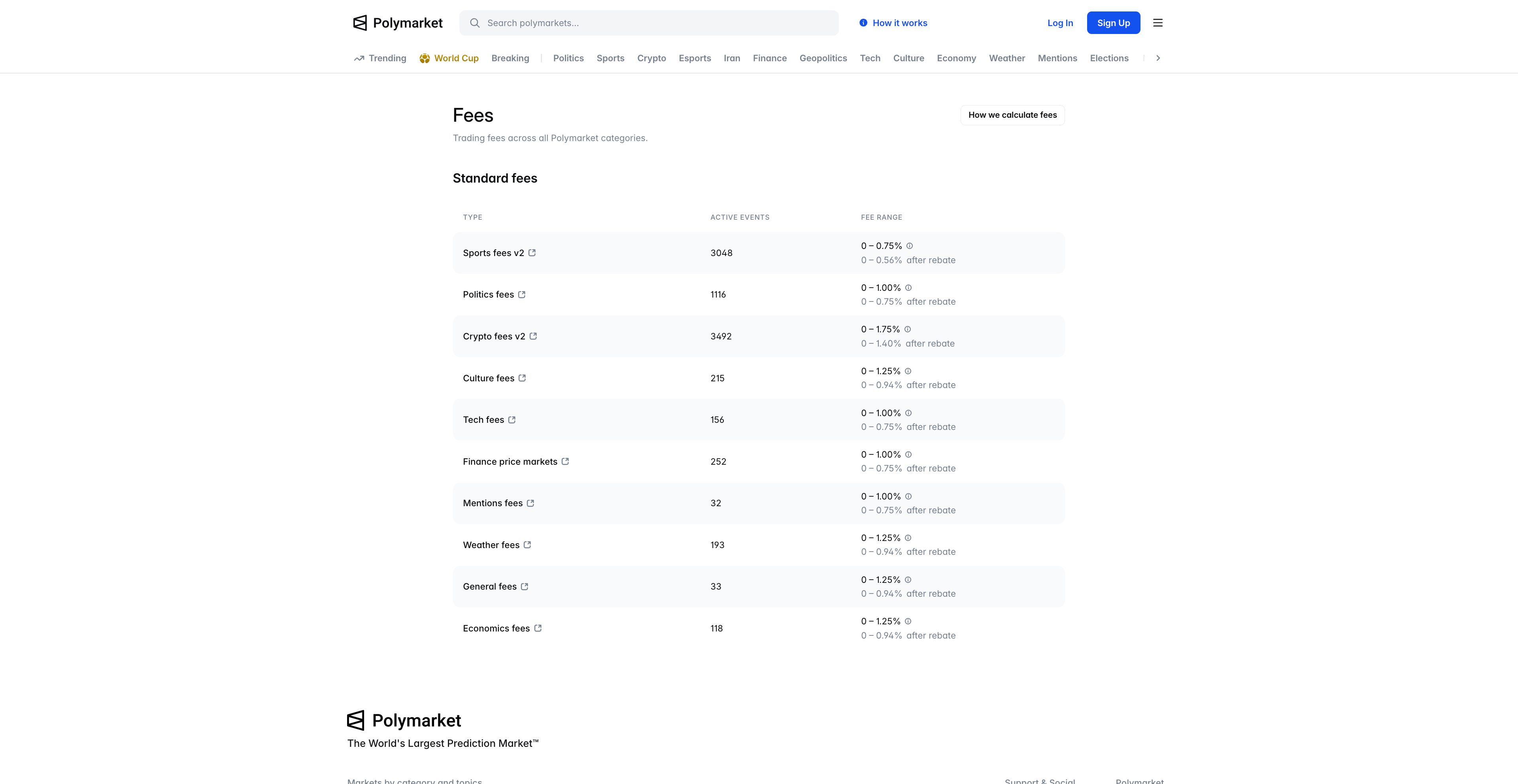
Step 4: Execute both sides as simultaneously as possible
Place both orders within seconds of each other. Use limit orders at your target price — market orders on thin books can slip past your profitable entry point.
Step 5: Hold to resolution
Unlike crypto arbitrage, you can't exit early for guaranteed profit. Both contracts must resolve. Make sure you're comfortable holding for the full duration.
---
The Real Risks (Don't Skip This)
Prediction market arbitrage looks risk-free on paper. In practice, three things can go wrong:
Resolution risk: The two platforms may resolve the same event differently if their contract terms differ. Always read the fine print on both sides before entering.
Liquidity risk: You might get filled on one side but not the other, leaving you with a directional bet you didn't intend.
Capital lock-up: Your funds are tied up until resolution — sometimes months. The opportunity cost matters.
Platform risk: Both Polymarket and Kalshi are relatively new. Counterparty risk, though low, is non-zero.
---
Using PolyCop to Track Smart Money Around Arb Events
One underrated edge: watching what profitable wallets do around high-gap events.
When a major price discrepancy appears, top traders on polymarket.com often move quickly and in size. The PolyCop leaderboard tracks these wallets in real time — you can see which events are attracting the heaviest smart-money positioning before the gap closes.
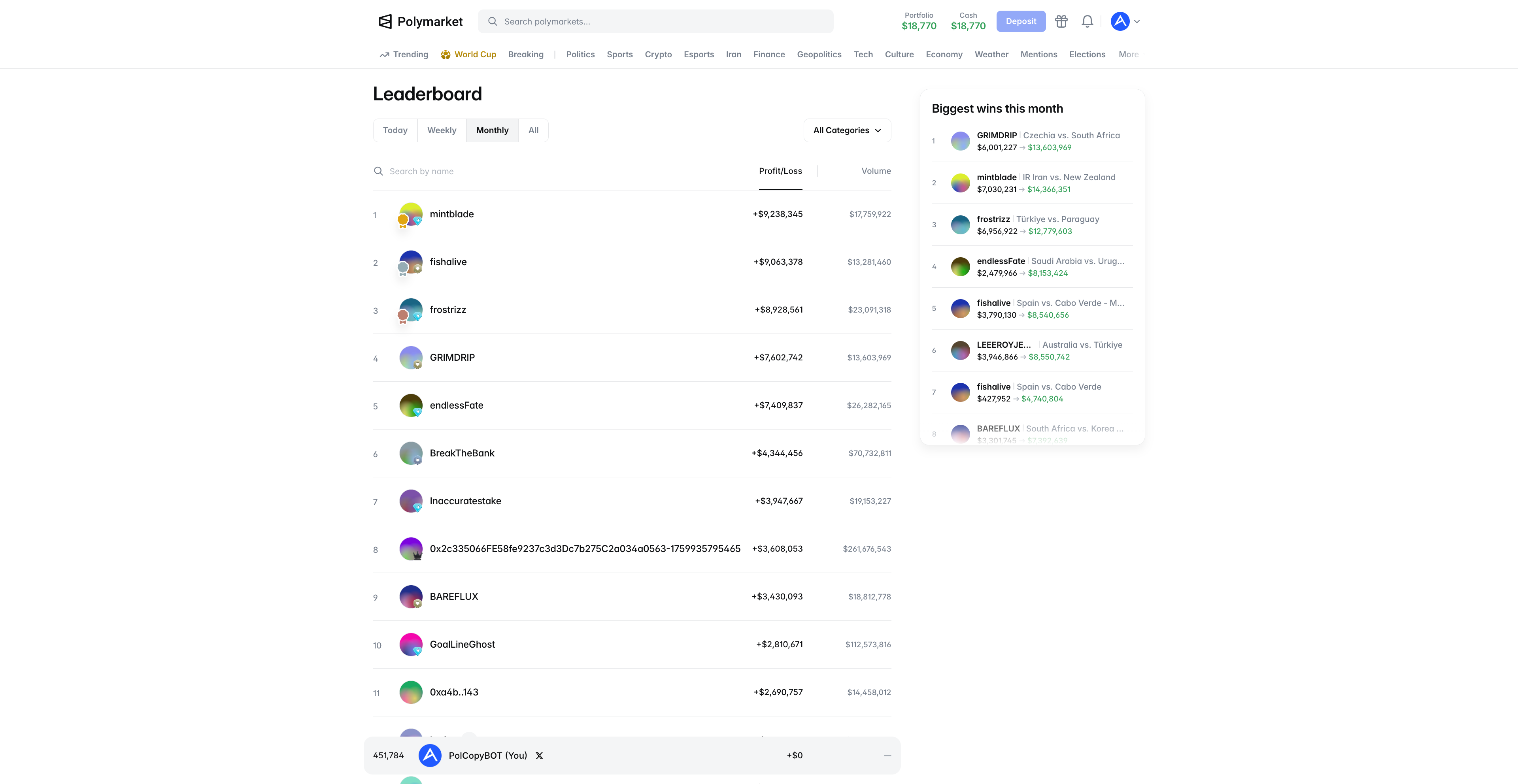
This isn't arbitrage in the pure sense, but it's a systematic way to identify which events have the most mispricing activity.
---
Is Kalshi Arbitrage Legal?
Yes. Both Kalshi and Polymarket are operating legally in their respective jurisdictions. Kalshi is CFTC-regulated in the US. Polymarket operates on-chain and is accessible globally (with some US restrictions on certain contract types).
Trading the same event on both platforms simultaneously is permitted. There are no rules against it on either platform.
---
Quick Reference: Arbitrage Checklist
Before entering any prediction market arb:
- [ ] Both platforms have the same event with identical resolution criteria - [ ] Combined cost (Yes + No) is below 97¢ after estimated fees - [ ] Sufficient liquidity on both sides to fill your full position - [ ] You can hold until resolution without needing the capital - [ ] You've read both contract definitions carefully
---
Start Tracking the Markets That Matter
The hardest part of prediction market arbitrage isn't the math — it's monitoring enough markets simultaneously to catch the gaps when they appear.
PolyCop tracks profitable wallets across Polymarket in real time. When smart money moves fast on an event, that's often a signal that a pricing gap has appeared somewhere. Set up your copy-trading strategy on the bot and stay ahead of the market.