Blog / Guide
Are Polymarket and Kalshi Legal in Your State? 2026 Guide
Legality for prediction markets varies by platform and, in some cases, by state. Here's what's actually regulated, what isn't, and how to check your own status in 2026.
Prediction market legality in the U.S. is not one simple yes/no answer — it depends on which platform you're asking about, and in Kalshi's case, it has also depended on ongoing disputes between state gaming regulators and federal oversight. Here's the current landscape as of 2026.
Kalshi: federally regulated, but state-level friction exists
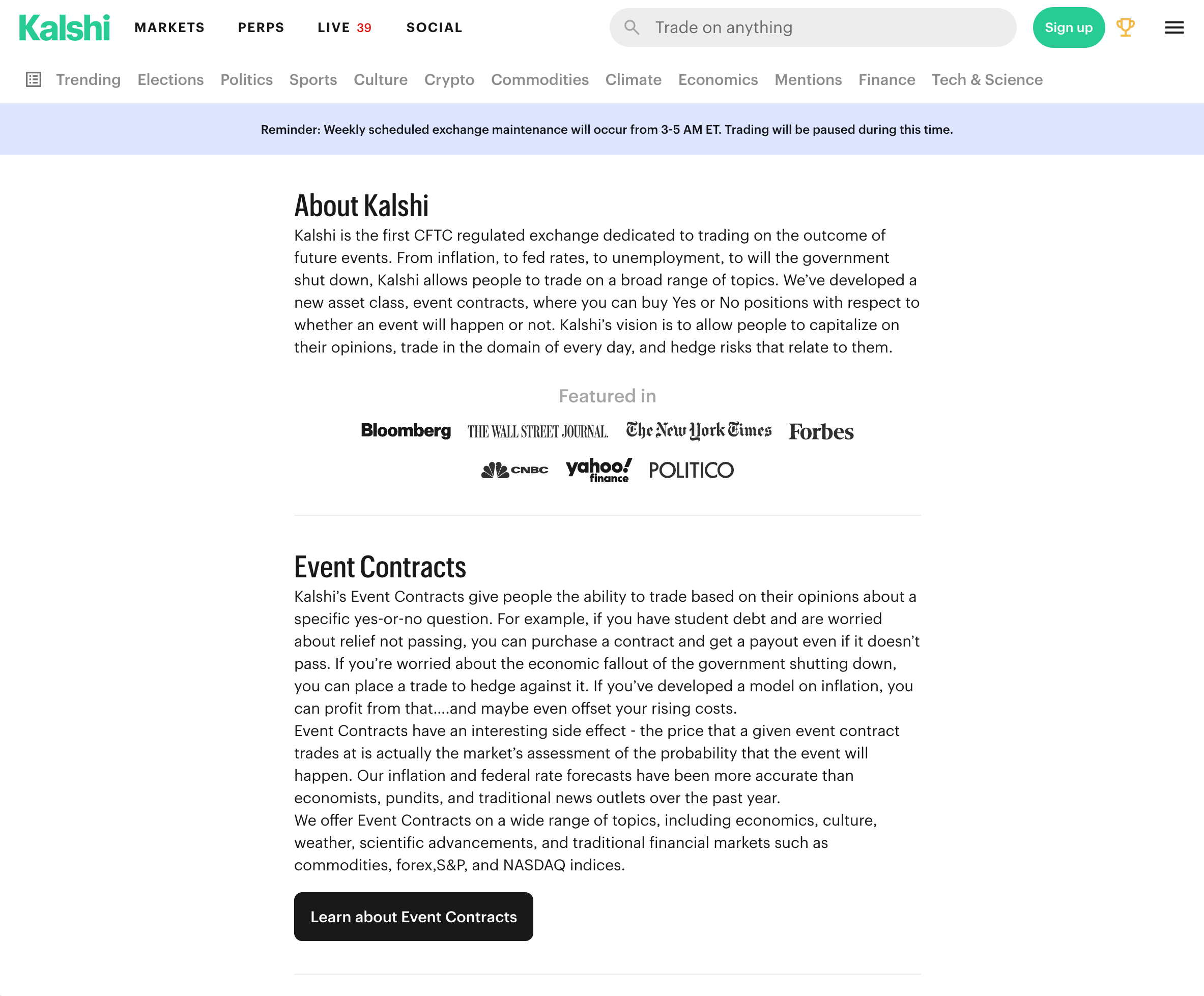
Kalshi is registered as a Designated Contract Market with the CFTC, which gives it federal approval to list event contracts nationwide. That federal registration is the core of Kalshi's legal argument for operating everywhere in the U.S. However, several state gaming regulators have pushed back, arguing that Kalshi's sports-related contracts function like sports betting, which falls under state — not federal — jurisdiction. This has led to cease-and-desist actions and court challenges in a handful of states. The legal question is still evolving, so if you're specifically trading sports-event contracts on Kalshi, checking recent news for your state is worth the two minutes it takes.
Polymarket: global platform, U.S. access history
Polymarket is not a CFTC-registered exchange and has historically operated primarily for non-U.S. users, following a past settlement with U.S. regulators over unregistered event contracts. U.S. residents have faced restrictions on direct platform access, though the specifics have shifted as Polymarket's regulatory posture and corporate structure have evolved. If you're a U.S. resident, verify Polymarket's current access policy directly on their site rather than relying on older information — this is one of the fastest-moving parts of the prediction market space.
What "legal" actually means here
It's worth separating two different questions people often conflate:
1. Is the platform allowed to operate and offer contracts? — This is the regulatory question above. 2. Am I, personally, allowed to use it from where I live? — This depends on the platform's own geofencing and terms of service, which can be stricter than what's technically permitted by law.
Even where a platform is legally allowed to operate, it may still choose not to serve certain states or countries for its own risk-management reasons.
How to check your own status
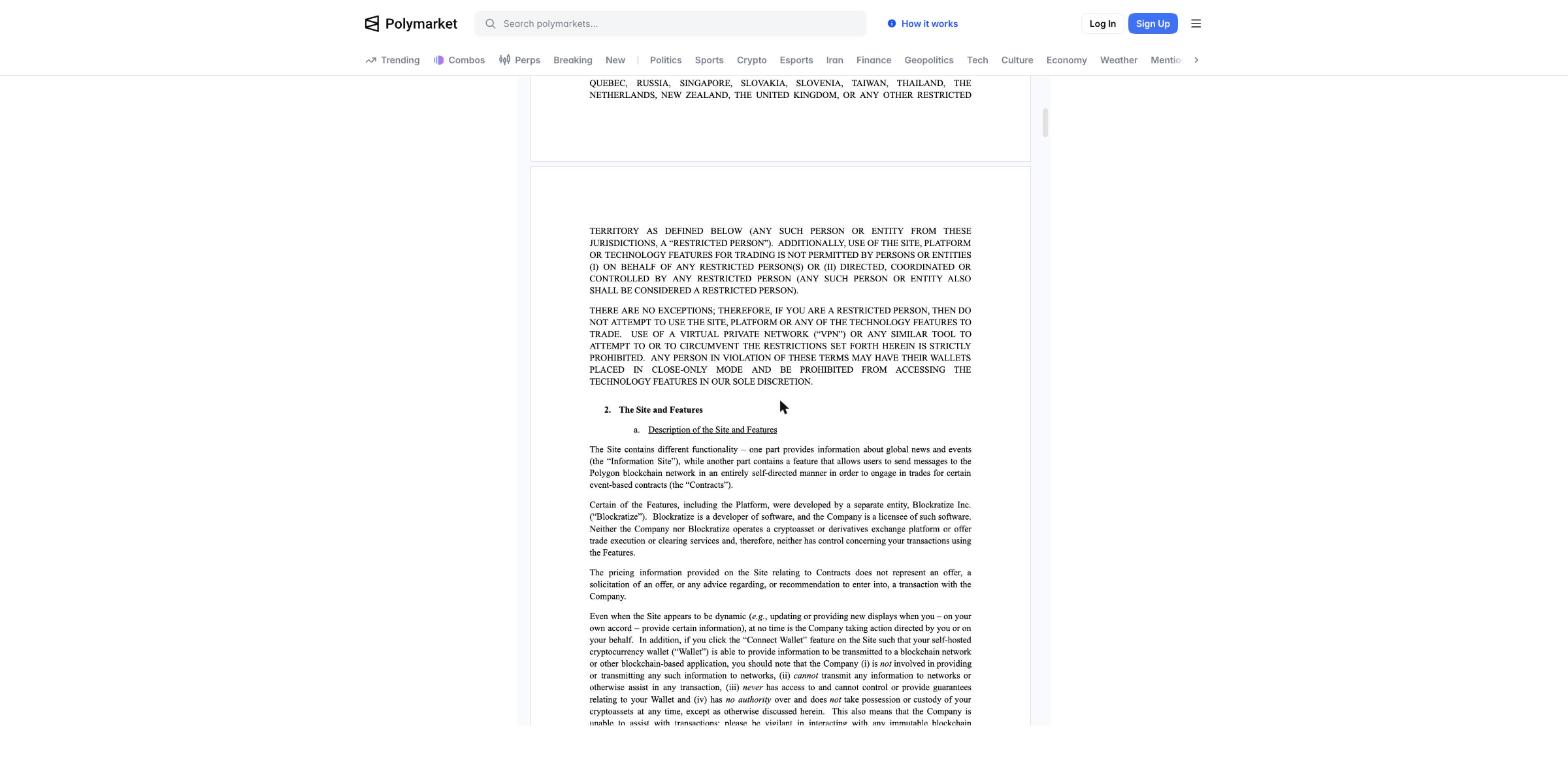
- Read the platform's own terms of service page — this is updated faster than most third-party guides - Look for a geofencing or "restricted jurisdictions" notice at signup - If you're specifically trading sports contracts, search for recent news mentioning your state and "Kalshi" or "CFTC" together, since this is the most active area of dispute - Don't rely on articles (including this one) as legal advice for your specific situation — regulatory status changes faster than blog content
Where this leaves copy traders
If you're using PolyCop to copy trade wallets on Polymarket, the legal considerations are the same as trading on Polymarket directly — PolyCop doesn't change your access or jurisdiction, it automates trade execution once you're already using the platform through polymarket.com.
Bottom line
Kalshi's legal status is federally clear but contested state-by-state on specific contract types, while Polymarket's U.S. access has its own separate history. Neither situation is static — check current terms before assuming last year's rules still apply.
---
See who's trading profitably on Polymarket right now on the leaderboard, or start automating your own trades with the PolyCop Bot.